3D Printed Spare Parts On Demand: Cut Inventory Costs
Discover how on-demand 3D printed spare parts reduce warehouse costs, minimize downtime, and streamline your supply chain. A practical guide for businesses.
Dennis
3Dennis
Contents
The Hidden Cost of Keeping Spare Parts in Stock
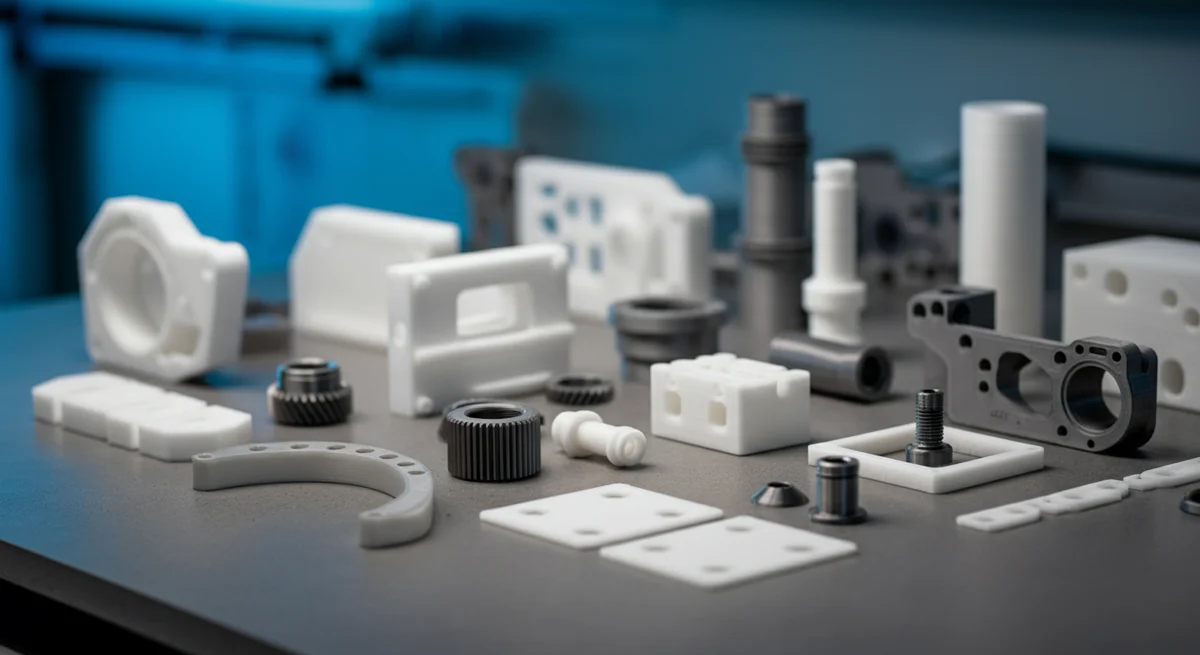
Every business that relies on machinery, equipment, or custom hardware knows the dilemma. You need spare parts available when something breaks, but keeping a warehouse full of components that might never be used ties up capital and takes up valuable space. For many companies, spare parts inventory represents one of the largest hidden operational costs — often running into tens of thousands of euros per year in storage, logistics, and depreciated stock.
What makes it worse is the uncertainty. Which parts will you actually need? When will a component fail? And what happens when a critical part is no longer manufactured by the original supplier? These questions have traditionally forced businesses into overstocking, just to be safe. But there’s a smarter approach gaining ground across industries.
How On-Demand 3D Printing Changes the Equation
Instead of warehousing hundreds of physical spare parts, imagine having a digital library of designs that can be printed whenever needed. That’s the core principle behind on-demand 3D printing for spare parts. Rather than ordering minimum quantities from injection molding suppliers or waiting weeks for a shipment from overseas, you send a design file and receive the part within days — sometimes hours.
This shift from physical inventory to digital inventory has profound implications. A manufacturing company in the Netherlands, for example, might keep digital files for 200 different machine components. When a bearing housing cracks or a custom bracket needs replacing, the part gets printed on demand. No minimum order quantities. No six-week lead times. No obsolete stock gathering dust on shelves.
The technology has matured to the point where 3D printed parts in materials like PETG, ASA, and nylon can handle real mechanical loads, temperature variations, and chemical exposure. These aren’t fragile prototypes — they’re functional replacement parts that keep production lines running.
Real-World Applications Across Industries
The applications extend far beyond what most business owners initially expect. In food processing facilities, custom guides and deflectors wear out regularly due to constant contact with products and cleaning chemicals. Traditionally, replacing these meant ordering from the original equipment manufacturer with lead times of four to eight weeks. With 3D printing, a replacement can be designed and produced within 48 hours.
Logistics companies face a similar challenge with conveyor systems. Small plastic components — rollers, guides, end caps — break frequently under heavy use. Keeping every variant in stock for multiple conveyor brands is impractical. On-demand printing means you only produce what you need, exactly when you need it.
Even in office environments, the principle applies. Server rack mounts, cable management systems, and custom equipment brackets can all be produced on demand rather than sourced through complex procurement chains. The result is less bureaucracy, faster turnaround, and lower total cost of ownership.
The Financial Case: Numbers That Matter
Let’s put some concrete figures behind this. A mid-sized manufacturing company typically spends between €15,000 and €50,000 annually on spare parts inventory — including procurement, storage, and write-offs for obsolete components. By transitioning even 30% of these parts to on-demand 3D printing, businesses commonly see cost reductions of 40-60% on those specific line items.
The savings come from multiple directions. First, you eliminate minimum order quantities. Instead of buying 500 pieces because the supplier requires it, you print exactly the 3 you need. Second, storage costs drop because you’re holding digital files, not physical boxes. Third, you avoid the depreciation that comes when a machine gets upgraded and all those carefully stocked spare parts become useless overnight.
There’s also the less obvious but equally important cost of downtime. When a production line stops because a part isn’t available, the losses can run into thousands of euros per hour. Having the ability to print a replacement part within the same day — rather than waiting for a supplier to ship one — can pay for years of 3D printing services in a single incident.
Getting Started: From Physical Inventory to Digital Library
Making the transition doesn’t require replacing your entire spare parts strategy overnight. Most businesses start by identifying their most critical and most frequently replaced components. These become the first candidates for 3D printing.
The process typically follows a straightforward path. First, the existing part gets measured and modeled digitally — either through CAD design or 3D scanning. This digital twin is then optimized for 3D printing, which sometimes means improving on the original design. The file gets stored in your digital parts library, ready to be printed whenever needed.
One significant advantage is the opportunity to improve parts during this process. The original spare part was designed within the constraints of traditional manufacturing. When you redesign it for 3D printing, you can add reinforcement where the part typically fails, integrate multiple components into a single piece, or adjust the geometry for better performance. Your replacement part can actually outlast the original.
Choosing the Right Partner
Not every 3D printing service is equipped for on-demand spare parts production. You need a partner who understands manufacturing tolerances, can work with industrial-grade materials, and offers reliable turnaround times. Look for a service that maintains a digital file library for your parts, so reordering is as simple as sending a message.
Response time matters enormously in spare parts applications. When a machine is down, you can’t afford a provider who takes three days just to send a quote. The best partners offer same-day quoting and can begin production within hours of approval.
Material expertise is equally important. A spare part for an outdoor installation needs UV-resistant material like ASA. A component in a food-processing environment requires food-safe certification. A high-temperature application demands materials that won’t deform under heat. Your 3D printing partner should guide you through these choices confidently.
Start Reducing Your Inventory Costs Today
The shift to on-demand spare parts isn’t a future concept — it’s happening right now in warehouses, factories, and offices across Europe. Businesses that make the transition early gain a competitive advantage through lower operational costs, faster response times, and more resilient supply chains.
Whether you’re dealing with aging equipment that’s no longer supported by its manufacturer, or simply looking for a smarter way to manage spare parts across multiple locations, 3D printing offers a proven solution.
Ready to explore how on-demand 3D printing can reduce your spare parts costs? Check out our services to see what we can produce for your business, or request a free quote to get started with your first parts.
Keep reading
On-Demand Manufacturing: How 3D Printing Eliminates Excess Inventory
Learn how businesses use on-demand 3D printing to cut inventory costs, reduce waste, and build resilient supply chains. A practical guide for B2B.

Supply Chain Resilience: How 3D Printing Protects Your Business
Discover how 3D printing builds supply chain resilience for businesses. Reduce dependency on overseas suppliers, cut lead times, and keep production running.
Digital Inventory: How 3D Printing Eliminates the Need for Physical Stock
Discover how businesses replace costly physical warehouses with digital 3D print files. Print parts on demand and cut storage costs dramatically.
Need help with your project?
Contact us for custom 3D prints or B2B services.