PLA vs PETG: Which Material Should You Choose for Your 3D Print?
PLA or PETG for your 3D print project? Discover the differences in strength, temperature resistance, printability and cost. A practical comparison for hobbyists and businesses alike.
Dennis
3Dennis
Contents
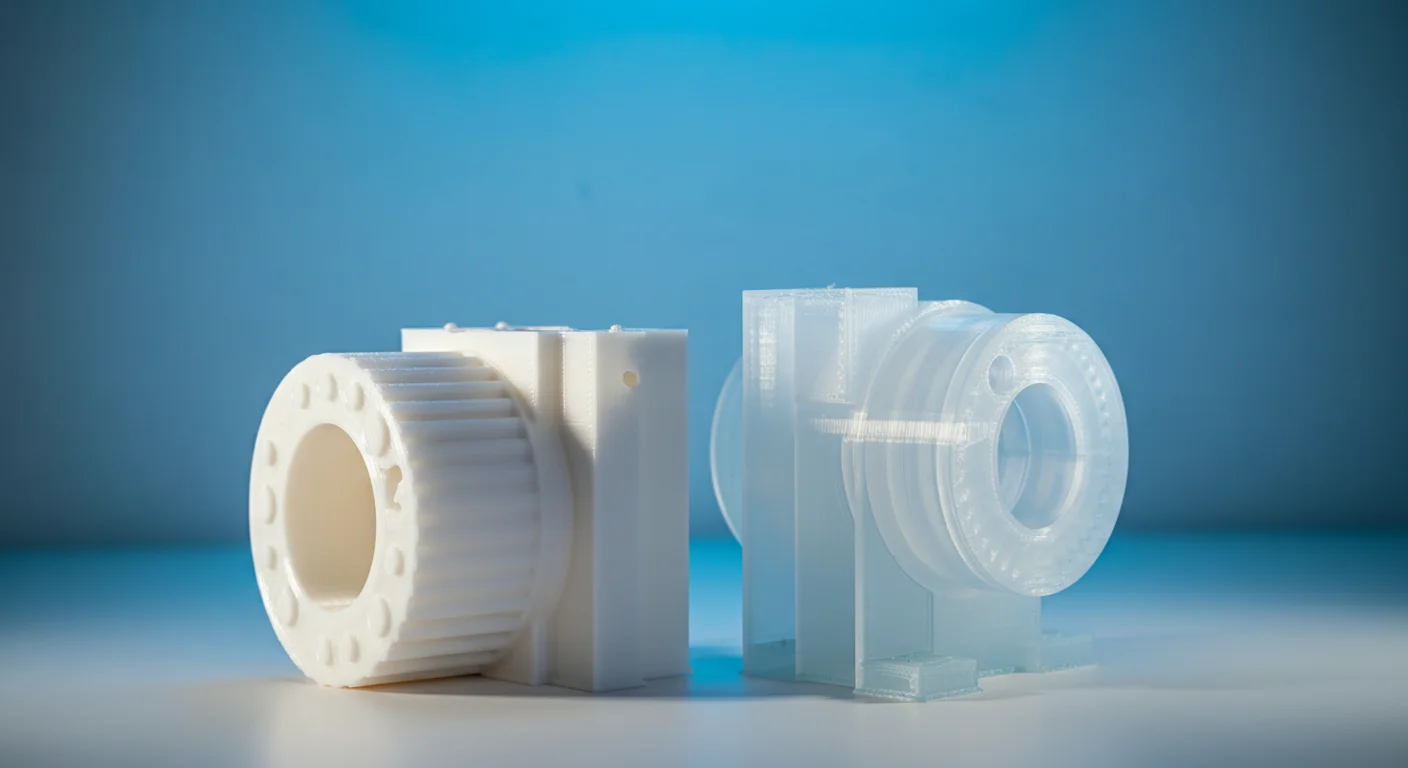
When you want to have a 3D print project made, one of the first questions is: which material? PLA and PETG are the two most widely used filament types, but they behave very differently in practice. In this article we put them side by side so you know exactly what you’re choosing.
What is PLA?
PLA (polylactic acid) is made from renewable raw materials like corn starch. It’s the most accessible 3D printing material: easy to print, relatively cheap, and available in almost any color.
PLA advantages:
- Low print temperature (190-220°C)
- Minimal warping risk
- Sharp details possible
- Biodegradable (industrially)
- Affordable
PLA disadvantages:
- Starts deforming at temperatures above 60°C
- Brittle under impact
- Not suitable for outdoor use (UV sensitive)
- Snaps rather than bends
What is PETG?
PETG (polyethylene terephthalate glycol) is chemically related to the plastic used in drink bottles. It combines PLA’s printability with better mechanical properties.
PETG advantages:
- Higher temperature resistance (up to 80°C)
- Resistant to UV and moisture
- Tough and impact resistant
- Chemical resistance
- Highly recyclable
PETG disadvantages:
- Slightly harder to print than PLA
- Higher print temperature (230-250°C)
- Can cause stringing
- Slightly more expensive
Head-to-head comparison
Strength and durability
PETG wins on most mechanical fronts. It bends before it breaks, which means parts can absorb a knock without failing. PLA is harder but more brittle: it fractures more easily under sudden impact.
For decorative objects, prototypes and indoor items, PLA is fine. For functional parts that need to handle forces, choose PETG.
Temperature resistance
This is a crucial difference. PLA starts deforming at 55-60°C, which means a car in summer (dashboards can reach 80°C) will damage PLA parts. PETG holds up to 75-80°C.
For anything used outdoors, in a car, or near heat sources: always PETG.
Ease of printing
PLA is more forgiving. Lower temperature, less warping, and easier bed adhesion make it ideal for beginners. PETG requires more fine-tuning: the right print and bed temperature, good cooling settings, and sometimes retraction adjustments to prevent stringing.
At 3Dennis we print with both materials daily and know the settings inside out.
Outdoor use
PETG is the only real choice for outdoor use. UV radiation degrades PLA and makes it brittle. PETG is UV-stable and resistant to rain and moisture. For extreme outdoor applications ASA is even better, but for standard outdoor use PETG works excellently.
Read our article on PETG for outdoor applications for more details.
Price
PLA is typically 10-20% cheaper per kilogram. For large projects this can matter, but for small batches the difference is negligible.
When to choose which?
Choose PLA when:
- It’s a decorative or non-functional object
- Indoor use at room temperature
- Fine details are important
- You want quick delivery at lower cost
Choose PETG when:
- The part will experience mechanical loads
- Outdoor or in-car use
- Temperatures above 50°C are possible
- Long-term durability is needed
- Contact with moisture or chemicals is possible
Our default choice at 3Dennis
For most business orders we print in PETG as standard. The mechanical properties are better, the lifespan longer, and the extra printing cost is minimal. This fits our focus on quality for businesses.
For decorative or prototype applications where the customer wants to save on cost, PLA is an excellent choice.
Conclusion
PLA and PETG are both excellent materials, but for very different applications. PLA is the easy choice for prototypes, decoration and indoor use. PETG is the smart choice as soon as mechanical requirements, temperature or outdoor use come into play.
Not sure which material fits your project best? Get in touch and we’ll be happy to advise you. At 3Dennis we have the experience to recommend exactly the right material for your application.
Keep reading
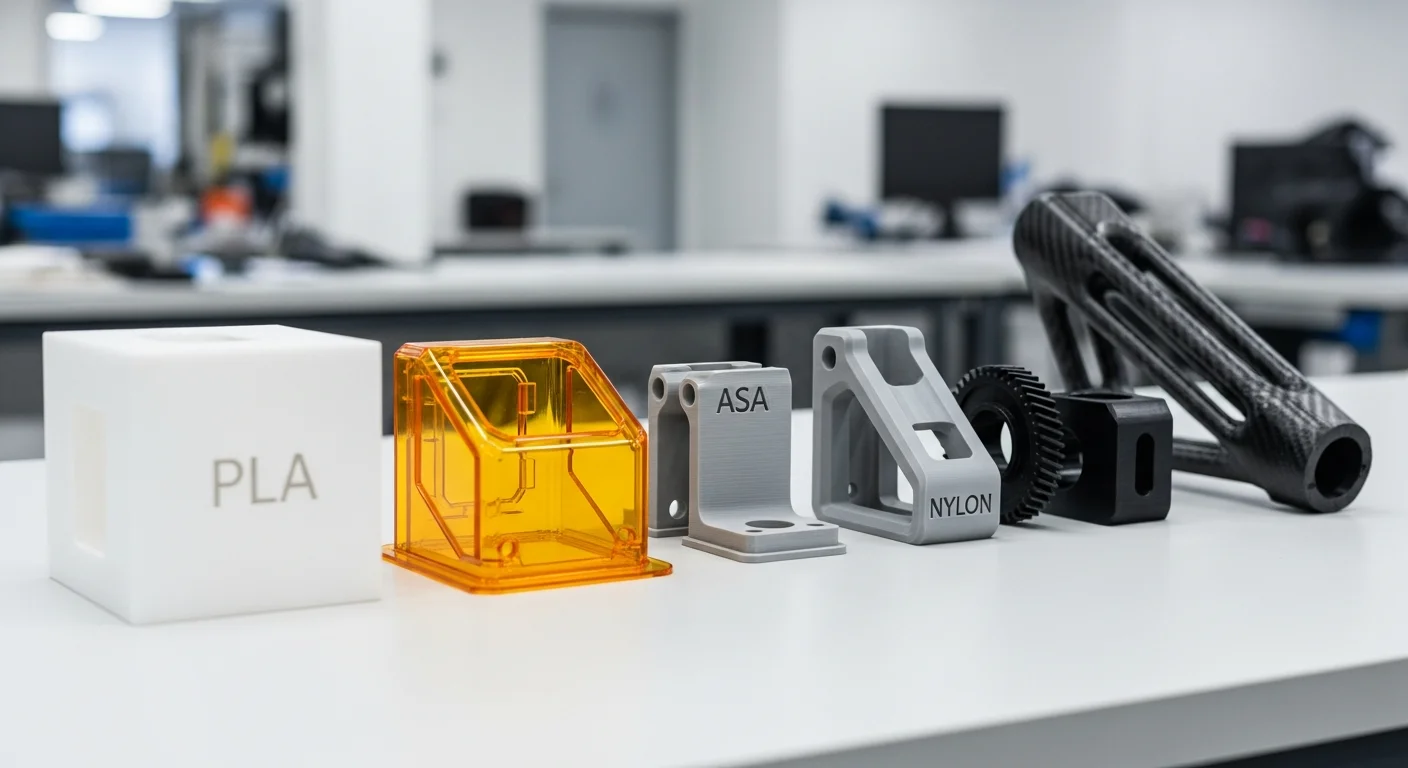
3D Printing Material Selection: A Practical Guide for Business Applications
Choosing the right 3D printing material for your business project. PLA, PETG, ASA, Nylon and more - when to use each material and why it matters for functional parts.

PETG for Outdoor Use: Everything You Need to Know
Is PETG suitable for outdoor applications? Learn about UV resistance, weatherproofing, and why PETG is our go-to material for outdoor 3D printed parts.
ASA Filament: The Best Choice for Durable Outdoor Parts
ASA filament is UV-resistant, weather-resistant, and stronger than PETG for outdoor use. Find out when to choose ASA for your 3D printed outdoor components.
Need help with your project?
Contact us for custom 3D prints or B2B services.